Four Days in Portland: Where to Stay, Eat, and Wander
- JESSICA NICHOLE

- Mar 3
- 6 min read
Updated: Mar 7
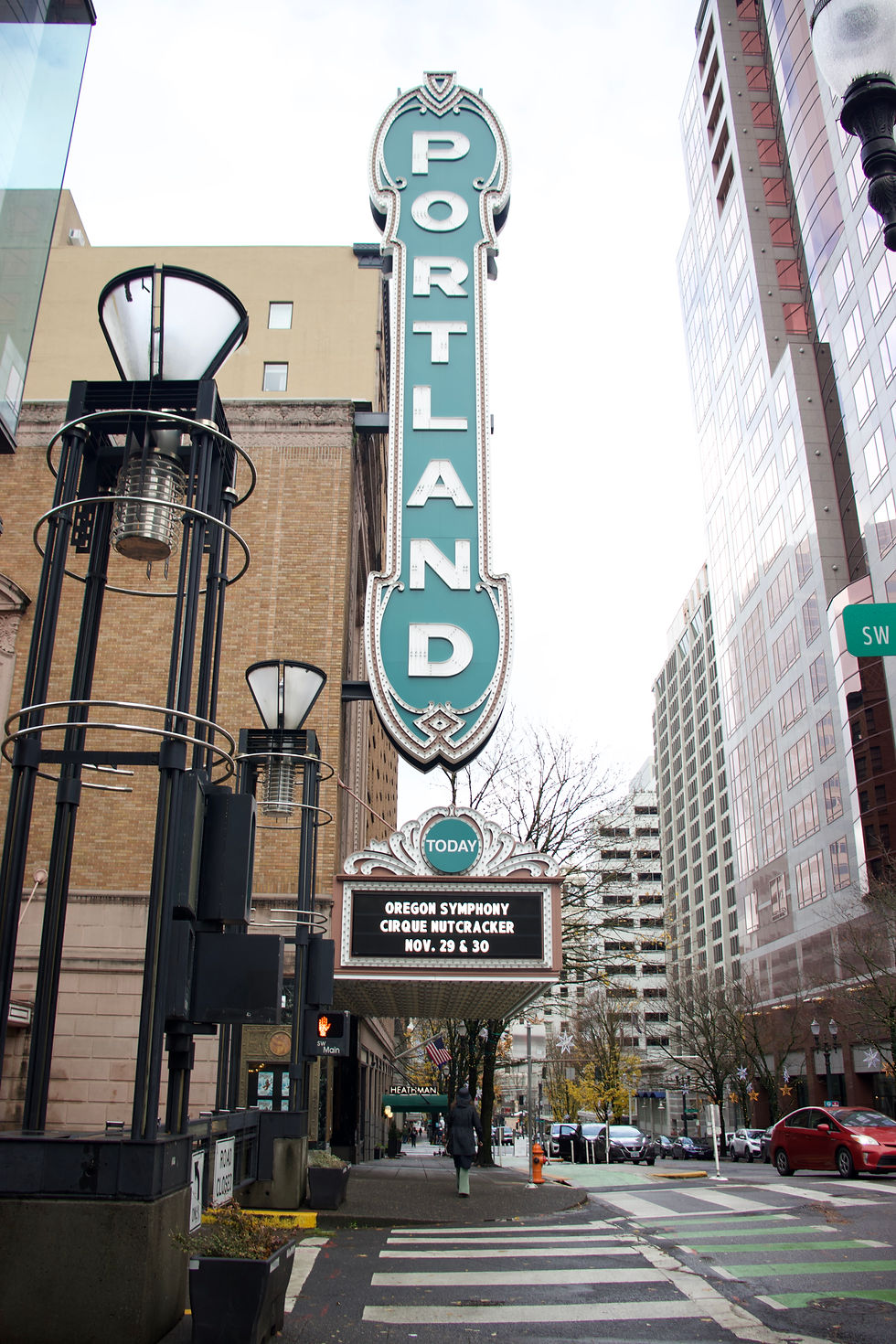
Portland isn’t a spectacle city. It doesn’t overwhelm you with landmarks or demand that you rush from one attraction to the next. What it does exceptionally well is livability — brick warehouses converted into restaurants, a riverfront path that anchors the grid, and neighborhoods built for walking instead of conquering.
It’s long been known for its coffee culture, craft breweries, progressive edge, and proximity to forest and river. But beyond the reputation, Portland’s real strength is its scale. It feels navigable. Human. Designed for wandering at your own pace.
I experienced Portland, Oregon in the fall — over Thanksgiving week — when steady rain softened the streets. Red maple leaves fell in slow waves, their burnt orange and crimson tones pooling along the sidewalks. Every gentle breeze sent a few more spinning quietly onto the street. The city felt quiet, almost introspective. I imagine summer carries a different energy — busier patios, longer evenings, fuller sidewalks — but even then, Portland strikes me as a place that resists spectacle.
How many days do you need in Portland? Four is ideal.
Where to Stay: Downtown vs. The Pearl District
I based myself at the Porter Hotel (Curio Collection) downtown.
It leans slightly business in tone, but the location is strong. You’re two blocks from the waterfront — ideal for early morning walks along the Willamette River — and within comfortable walking distance of the Pearl District.
From the Porter, I walked to Screen Door (Pearl District) for brunch without needing a car. I stopped into Q Restaurant & Bar for a martini and a light bite. I grabbed coffee at Stumptown and looped back through the same downtown blocks more than once. That repetition helped the city feel familiar quickly.
I also walked to Lovely Rita for coffee and a bagel. The café itself was exactly what I wanted — aesthetic without trying too hard, friendly staff, and that unhurried energy where you can spread out with a journal and not feel rushed. But the surrounding blocks felt less polished than the Pearl or central downtown. Nothing dramatic — just quieter, with fewer open storefronts. On the way back, I grabbed a quick Uber. It was inexpensive, close, and honestly a welcome break from the rain.
That’s the advantage of staying central: you have options.
In a nutshell, downtown gives you access. The Pearl District, however, gives you atmosphere.
If I were choosing purely on vibe, I’d stay in the Pearl next time. It’s compact, highly walkable, and layered with wine bars, cafés, and restaurants tucked into converted warehouse buildings. The streets feel active but not chaotic. It’s ideal for solo evenings when you want to wander without planning every step — and without second-guessing your route back.
Coffee, Wine, and Where to Eat
Portland feeds you well. Not in a flashy, tasting-menu way. In a you-just-walked-six-blocks-in-the-rain-and-earned-this way. Along NW 10th and 11th in the Pearl, restaurants tuck themselves into brick warehouses and second floors. You have to look up. You have to lean in. But when you find them, the food lands — rich, seasonal, generous without being sloppy. This is a city built for people who actually like to eat.
Stumptown Coffee (Pearl District / Downtown locations)
Perfect for: A focused morning, solo journaling, strong espresso before a long walk
Order: A straight espresso or cappuccino. Keep it simple.
What to know: Portland takes coffee seriously. Stumptown is dependable and efficient without being precious. The space is clean, unpretentious, and built for people who actually drink coffee, not just photograph it. It’s the kind of place where you can sit alone without feeling conspicuous. Start here, then walk.

Screen Door (Pearl District)
Cuisine: Southern
Perfect for: Solo brunch, rainy-day comfort, indulgent leftovers
Order: The fried chicken with gravy. Add a biscuit. Do not share it unless you must.
Crisp, pepper-forward crust. Deep, savory gravy. The kind of plate that justifies walking back through the Pearl afterward. I had it for brunch and finished the rest in bed with a glass of wine. No regrets.
Q Restaurant & Bar (Downtown)
Perfect for: A polished martini, light bite, resetting mid-afternoon
Order: A classic martini. Keep it cold and simple.
What to know: Slightly more refined than casual neighborhood spots, but still approachable.
This is where you go when you want to sit at a bar, have one proper drink, and gather yourself before the evening. Controlled energy. Good lighting. Easy to walk back from.
Xport Rooftop Lounge (The Porter Hotel)
Perfect for: End-of-night wine, rainy evenings, city views without leaving your hotel
Order: A Willamette Valley Pinot Noir.
What to know: Fireplace seating is worth securing if it’s raining.
The views stretch across the city and toward the hills, and the rooftop feels insulated from street-level noise. It’s convenient if you’re staying at the Porter — and legitimately good even if you’re not.
Domaine Serene Wine Lounge (Pearl District)
Perfect for: An elevated tasting experience, Pinot Noir, a polished night out in the Pearl
Order: A Willamette Valley Pinot flight — compare vintages if available.
What to know: Make a reservation and confirm the day-of. Hours can shift.
I had a reservation here that was unexpectedly canceled the day of, which was a bummer. But walking past the space confirmed what I already suspected — this is where you go when you want to experience Oregon wine with intention. The Pearl District location is sleek without feeling corporate, and the wine list reflects Domaine Serene’s roots in Willamette Valley. If you’re not making it out to wine country, this is the closest you’ll get to that experience without leaving the city.
Things to Do in Portland
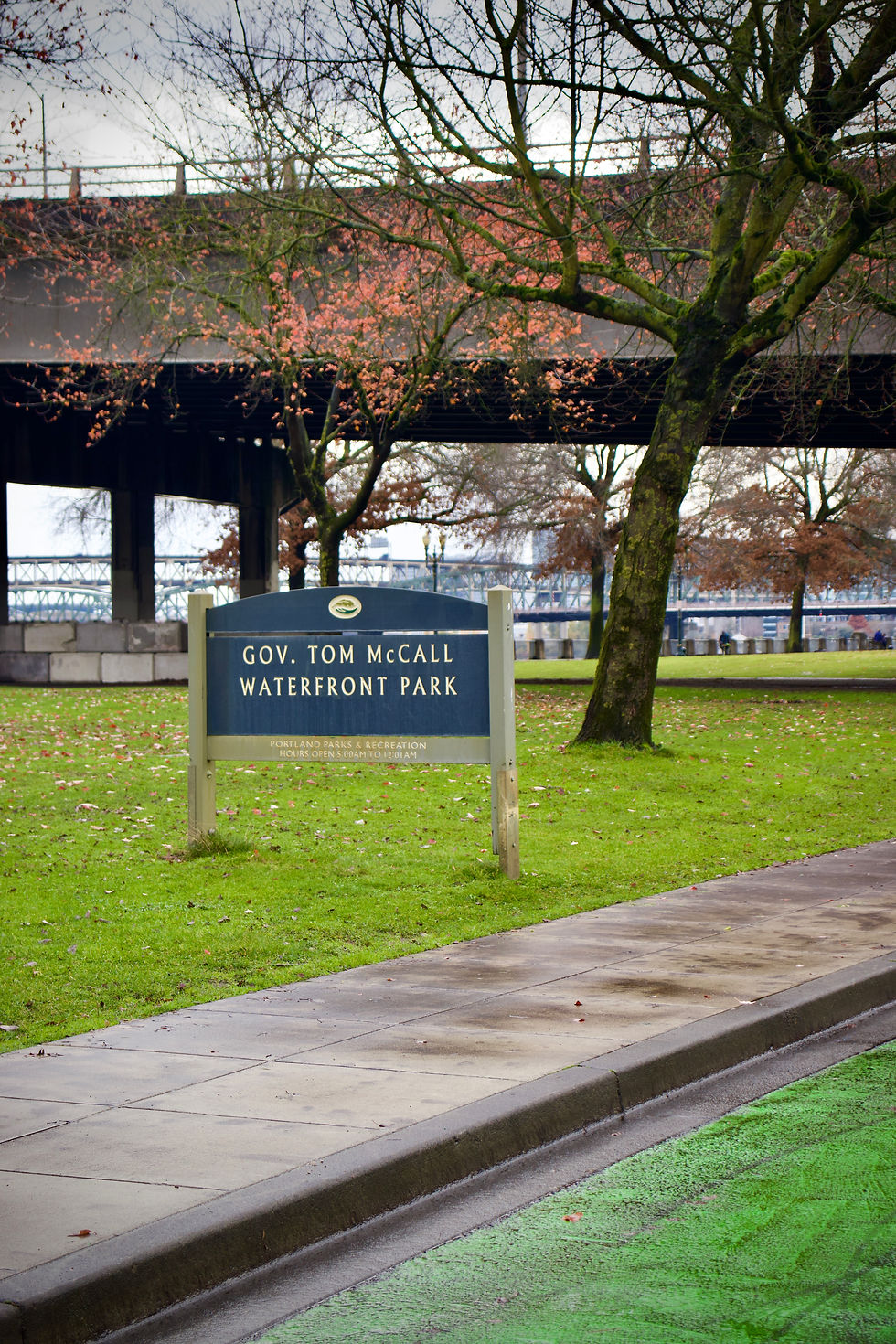
You can land at PDX, take the MAX light rail into downtown, and be walking within an hour. It’s efficient, straightforward, and easy to navigate solo. The waterfront path along the Willamette River offers wide, open space and clear orientation — a good starting point when you’re learning the city’s grid. From there, brick warehouses transition into galleries, wine bars, and restaurants tucked into upper floors and side streets. Portland doesn’t always advertise what’s inside a building. You have to slow down and look up.
Public transportation is equally straightforward. The MAX light rail runs directly from the airport into the city, and once you’re downtown or in the Pearl, you rarely need a car. Streetcars and buses are easy to navigate, but most central neighborhoods are walkable enough that you’ll find yourself moving on foot without thinking about it. For a solo traveler, that ease matters. The routes are efficient, the streets are manageable, and the rhythm of the city allows you to move independently without feeling rushed.
A Quiet Corner Worth Prioritizing: The Portland Japanese Garden
If you’re spending four days in Portland, make time for the Portland Japanese Garden.
It was easily the highlight of my trip and one place I would tell any solo traveler to prioritize.
Give yourself at least 90 minutes here. You could easily stay longer.

The garden sits tucked into the hills of Washington Park, overlooking the city but feeling worlds away from it. Once you enter, the pace shifts immediately. Stone paths wind through carefully designed landscapes, wooden gates frame quiet views, and maple trees stretch overhead depending on the season.
In the fall, the colors were extraordinary — deep reds and burnt orange leaves drifting slowly to the ground while light rain softened everything around them
But what makes the garden special isn’t just how it looks. It’s how it feels.
There are benches tucked throughout the grounds where you can sit and simply take it in. If you’re traveling solo, this is the perfect place to linger. Bring a journal. Bring a book. Or just sit quietly and watch the garden change with the weather.
Many visitors spend about one to two hours walking the paths, though the experience is less about covering distance and more about slowing down.
If your four days in Portland include great meals, wine bars, and long neighborhood walks — the Japanese Garden is the place where you pause.
A quiet corner that stays with you long after the trip ends.

Comments